BOSTON MEDICAL CENTER - EXECUTIVE TRANSITION CAMPAIGN
BRIEF: BMC’s longtime CEO Kate Walsh was departing to join Maura Healey at the State House, and her COO, Alastair Bell, was stepping into her shoes. Alistair was known internally as an operational leader, not a public-facing one, so he needed to be introduced quickly and credibly to employees, partners, and stakeholders across the hospital system. With the internal media team experiencing turnover simultaneously, BMC needed outside production support that could move at the speed of a staff team without the overhead of hiring one.
ROLE: Producer, Camera Operator
CLIENT: Boston Medical Center
FORMAT: Event Production
PRODUCTION: I embedded a flexible three-person production team into BMC for a solid month. We stayed coordinated through a shared Trello-based knowledge center I built to keep us all current on active projects, regardless of who was on on any given day.
Close attention from C-Suite meant lots of moving goalposts; projects were greenlit, changed, and cancelled on short repeatedly. But, the team stayed ready for whatever the day brought, kept the work moving, and delivered a series of videos introducing the incoming CEO, celebrating the legacy of the departing one, and showing both leaders in transition together.
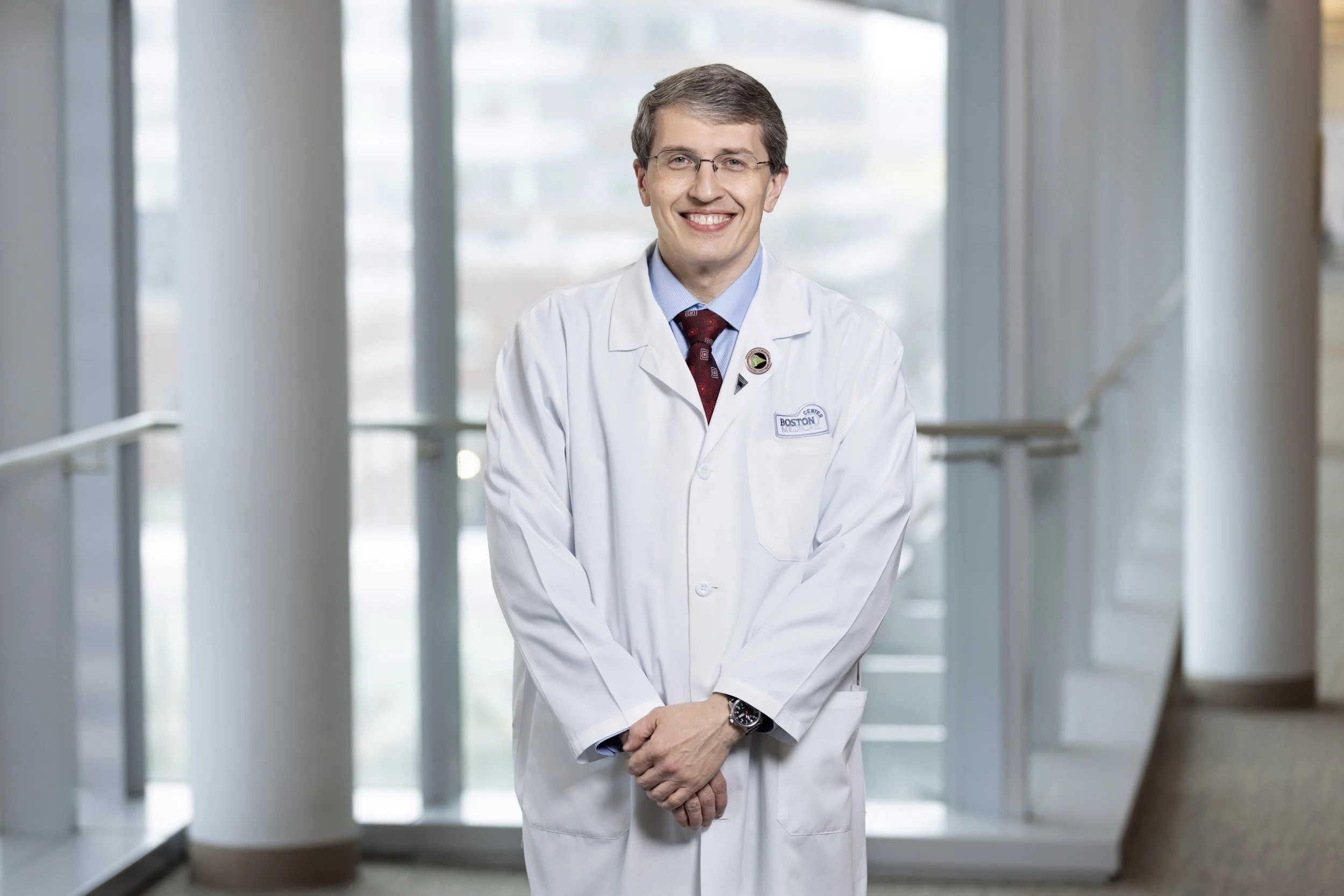
DOCTOR HEADSHOTS
ROLE: Photo Producer, Photographer
CLIENT: Boston Medical Center
DELIVERABLES: Hundreds of headshots, for use across bmc.org
PRODUCTION: Two photographers with assistants deployed across the hospital over a month-long period (me and my assistant made up a third team). I scoped locations, screened and hired the photographers, coordinated scheduling to get as close to each department as possible - because getting a doctor to step away during the day requires removing every possible obstacle. Two looks for each doc, in 15-minute sessions. Strong prep meant the days ran clean despite the complexity of working inside a live hospital system.
BRIEF: BMC's existing doctor photos were outdated, inconsistent, and in many cases nonexistent. For patients choosing a provider, that's a trust problem. The push was to photograph every doctor in the system with a natural, approachable, and professional look, so patients could see who they'd be seeing.